Raising chickens requires more than food and shelter—it demands reliable protection from predators. Foxes, raccoons, coyotes, and even stray dogs can devastate a flock in minutes. The best solution many poultry keepers turn to is electric fencing. It offers unmatched security, flexibility, and long-term savings. In this comprehensive guide, we explore everything you need to know about the best electric fencing for chickens, from types and installation to maintenance and top product recommendations.
Table of Contents:
Why Electric Fencing Is Essential For Chicken Keepers
Keeping chickens safe is a constant challenge. Traditional fencing such as wood or wire mesh often fails when predators dig, climb, or chew their way in. Electric fencing creates both a physical and psychological barrier. The mild shock predators experience discourages repeat attempts, making it one of the most effective and humane solutions available. Unlike traps or poisons, it protects your flock without harming wildlife unnecessarily.
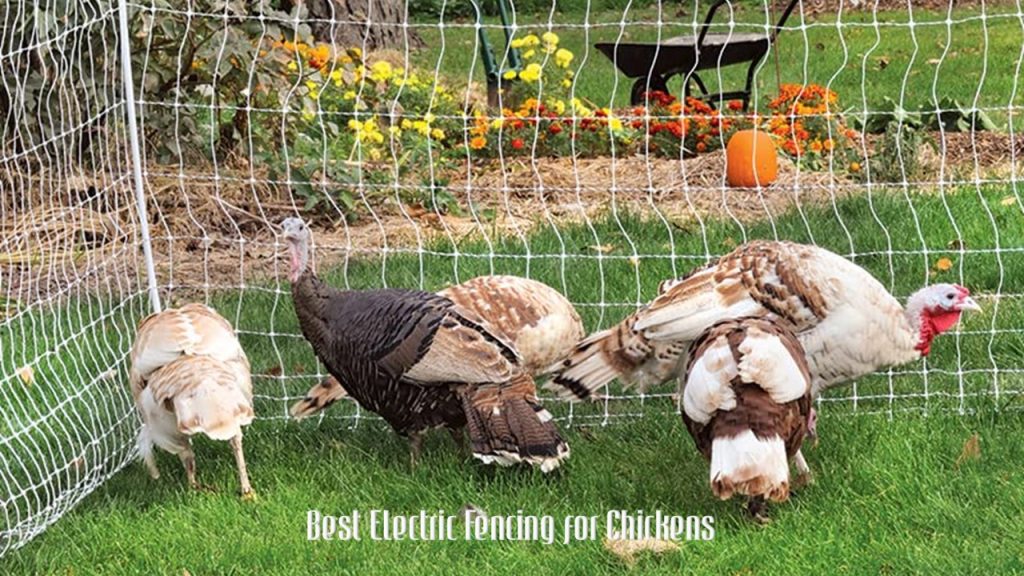
Types Of Electric Fencing For Chickens
When choosing electric fencing, it’s important to match the system to your setup and predator threats.
Electric Netting
The most popular choice among chicken keepers, electric poultry netting is portable, quick to install, and highly effective. It consists of electrified mesh that surrounds the chicken run, keeping predators out while ensuring chickens stay in.
Multi-Wire Electric Fencing
Multi-wire systems use several strands of electrified wire placed at varying heights. This option works well for larger properties where permanent fencing is needed, though it may require more setup and maintenance.
Permanent vs. Portable Systems
- Permanent electric fencing is ideal for farms with fixed chicken runs, offering durability and strong predator resistance.
- Portable fencing provides flexibility for backyard keepers or rotational grazing, allowing you to move chickens easily without compromising safety.
Key Features To Consider In The Best Electric Fencing
Selecting the right electric fence means evaluating several crucial features:
- Height: A minimum height of 42 inches prevents foxes and dogs from jumping over.
- Energizer Power: The energizer is the heart of the system. Ensure it delivers enough joules to power the length of your fence.
- Durability: UV-resistant netting and weatherproof posts extend the lifespan of your investment.
- Portability: If you move your flock often, lightweight fencing with step-in posts is essential.
- Safety: Choose fencing designed specifically for poultry to ensure shocks deter predators but do not harm chickens.
Top Recommendations: Best Electric Fencing For Chickens
Here are some of the most trusted electric fencing solutions available today:
Premier 1 PoultryNet Plus
Known as the gold standard, Premier 1 PoultryNet Plus is highly durable, easy to set up, and compatible with both plug-in and solar energizers. It’s excellent for backyard keepers and small farms alike.
You May Also Like:

Starkline Poultry Netting
An affordable yet reliable option, Starkline netting is lightweight, portable, and perfect for small to medium flocks. Its efficient design ensures maximum safety with minimal effort.
You May Also Like:

Farmily Portable Electric Fence
Designed for ease of use, Farmily’s portable fencing is lightweight and efficient, making it ideal for chicken keepers who rotate their pastures frequently.
You May Also Like:

Pet & Livestock HQ Electric Fence Kit
This all-in-one kit is perfect for beginners. It includes energizers, posts, and grounding equipment, providing everything needed for a secure poultry perimeter.
You May Also Like:

How To Install Electric Fencing For Chickens
Proper installation is crucial to ensuring effectiveness. Follow these steps:
- Plan Your Layout: Measure the perimeter of your chicken run or pasture.
- Install Fence Posts: For netting, step-in posts are ideal. For permanent systems, use sturdy corner posts.
- Set Up the Energizer: Position it close to a power source or use a solar option for remote areas.
- Grounding System: Install ground rods for consistent shock delivery. Poor grounding is the most common reason fences fail.
- Test the Fence: Use a voltage tester to ensure the fence delivers the correct shock.
Common Mistakes To Avoid With Electric Fencing
- Insufficient grounding reduces shock strength.
- Choosing an underpowered energizer limits effectiveness.
- Allowing vegetation to touch wires drains energy from the fence.
- Improper fence height gives predators easy access.
Avoiding these mistakes ensures your fencing performs at its best.
Maintenance Tips for Long-Lasting Electric Fencing
- Check voltage regularly with a tester.
- Inspect for damage such as broken wires or leaning posts.
- Clear vegetation around the fence line.
- Adjust seasonally for wet or snowy conditions to maintain effectiveness.
With proper care, a good electric fence can last 5–10 years, making it a smart long-term investment.
Cost Of Electric Fencing For Chickens
The initial investment ranges from $150 to $400, depending on the size and type of fencing. While this may seem costly at first, it’s far cheaper than losing chickens to predators. Running costs are minimal, often just a few dollars per year in electricity, or virtually free with solar-powered energizers.
Alternatives To Electric Fencing
Though effective, electric fencing is not the only option. Alternatives include:
- Traditional wire or wooden fences (less effective against predators).
- Chicken tractors (mobile coops for small flocks).
- Guard animals like dogs or geese (helpful, but require training and care).
Still, none offer the same balance of cost, effectiveness, and flexibility as electric fencing.
Is Electric Fencing Safe For Chickens And Families?
Yes, electric fencing designed for poultry is completely safe. Chickens rarely touch the fence after their first encounter. The shock is uncomfortable but not harmful. With proper setup, it is also safe around children and pets—though supervision and education are recommended.
Conclusion
The best electric fencing for chickens provides the perfect combination of security, durability, and affordability. Whether you’re raising a backyard flock or managing a farm, electric fencing offers peace of mind by protecting your birds around the clock. By choosing the right system and maintaining it properly, you ensure your flock thrives without constant worry of predators.
FAQs
Q: Can electric fencing hurt chickens?
No, the shock is safe—just enough to discourage them from escaping.
Q: How much does it cost to run an electric fence?
Very little, usually just a few dollars a year in electricity or solar maintenance.
Q: Can electric fencing work in wet or snowy conditions?
Yes, but grounding must be adjusted for better conductivity.
Q: How long does electric poultry netting last?
With proper care, 5–7 years on average.
Q: Is portable fencing better than permanent fencing?
It depends—portable fencing is great for flexibility, while permanent fences are better for long-term setups.

Leave a Reply