

When discussing honeybees, most people think about their essential role in pollination and honey production. However, one fascinating question arises: do bees eat their own honey? The answer is yes. Bees consume the very honey they produce, and this natural cycle plays a vital role in their survival and the sustainability of their colonies. In this article, we will explore how bees consume honey, why they depend on it, and the intricate processes behind this essential behavior.
Table of Contents:
The Role Of Honey In A Bee Colony
Honey is not just a sweet substance for humans; it is the primary food source for bees. Worker bees tirelessly collect nectar, convert it into honey, and store it in the hive’s wax cells. This honey serves as a nutrient-rich food reserve that sustains the entire colony throughout the year, especially during harsh seasons when nectar is scarce.
Without honey, bees would not survive. Unlike many animals that can forage year-round, bees need stored energy sources during cold winters, rainy seasons, and early spring when flowers are not abundant.
Do Bees Actually Eat The Honey They Make?
Yes, bees absolutely eat their own honey. In fact, they rely on it heavily. Honey provides them with:
- Carbohydrates: Honey is packed with natural sugars like glucose and fructose, which supply quick and lasting energy.
- Vitamins and Minerals: Bees obtain essential nutrients from honey, including small traces of vitamins B, C, calcium, magnesium, and potassium.
- Enzymes and Antioxidants: Honey supports their immune systems and helps protect them from disease.
Thus, while humans may harvest honey for consumption, the primary purpose of honey production is to feed the bees themselves.

When Do Bees Eat Honey?
Bees consume honey year-round, but the quantity varies based on the season:
-
Winter Survival
During the cold months, bees cannot leave the hive to forage. They cluster together inside the hive, generating heat by vibrating their wing muscles. Honey becomes their sole energy source, helping them maintain a survivable temperature. A single colony may consume 30 to 60 pounds of honey throughout the winter.
-
Early Spring
In early spring, flowers may not yet provide sufficient nectar. Bees rely on stored honey until blossoms become abundant. This is a critical time, as insufficient honey stores can lead to colony starvation.
-
Summer And Active Foraging
In warmer months, bees actively forage. While nectar is abundant, they continue to consume honey for energy to power their flights and hive-building activities.
How Do Bees Eat Honey?
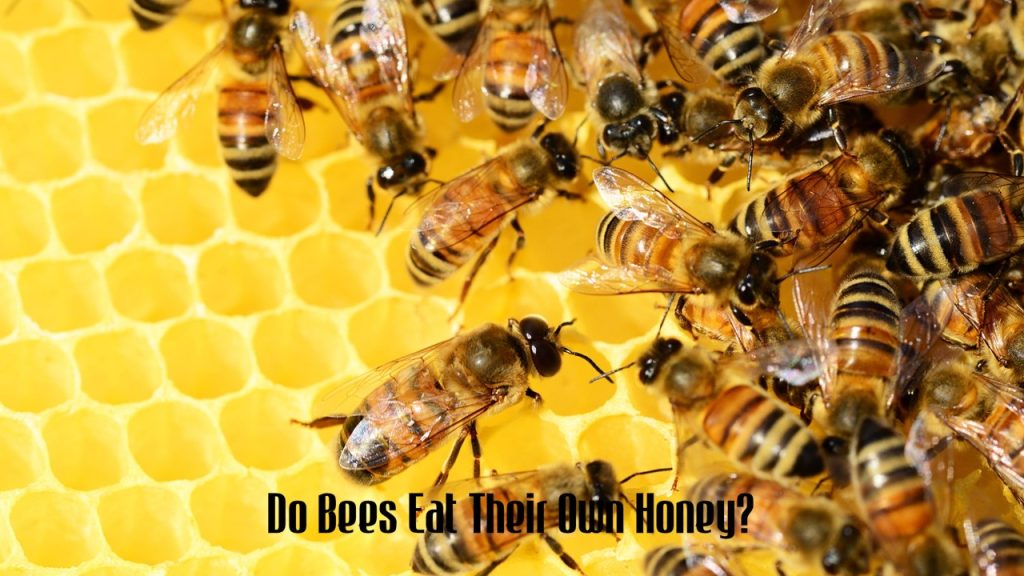
The process of honey consumption is as fascinating as its production. Bees access honey stored in the hexagonal wax combs and consume it in the following way:
- Worker bees uncap the wax seal covering the honey cell.
- They use their proboscis (tongue) to suck up the honey.
- The honey passes into their honey stomach, where it is digested and converted into energy.
This efficient system ensures bees can instantly refuel for their demanding daily tasks.
Do All Bees In The Colony Eat Honey?
Every member of the colony benefits from honey, but consumption patterns vary:
- Worker Bees: They consume honey for the energy required in foraging, building combs, caring for larvae, and guarding the hive.
- Drones: Male bees also eat honey, although their primary role is reproduction.
- Queen Bee: The queen consumes honey and royal jelly, ensuring her longevity and ability to lay thousands of eggs.
- Larvae: Young bees are fed a mixture of honey and pollen, essential for their healthy development.
Honey vs. Nectar: What Bees Prefer
While bees primarily consume honey, they also feed on nectar when it is available. Nectar is their raw food source, collected from flowers. It is lighter and less concentrated than honey. Bees process nectar into honey by reducing its water content and adding enzymes.
When nectar is abundant, bees often consume it directly for immediate energy. However, honey is their long-term survival food, stored for times when nectar cannot be collected.
Why Do Bees Store More Honey Than They Need?
Bees are natural hoarders when it comes to food reserves. A healthy colony produces more honey than is required for their survival in average conditions. This abundance ensures:
- Emergency reserves for harsh winters or unexpected weather changes.
- Support for larger colonies, which consume more energy.
- Protection against scarcity, ensuring the hive can thrive even in poor foraging seasons.
This tendency to overproduce is what allows humans to harvest honey without always endangering the colony—provided beekeepers leave sufficient reserves for the bees.
Do Bees Ever Run Out Of Honey?
Yes, bees can run out of honey, particularly if:
- The winter is unusually long or harsh.
- The colony is too large for the available stores.
- Beekeepers harvest too much honey and do not leave enough for the hive’s needs.
When bees run out of honey, the colony faces starvation. Beekeepers often prevent this by providing sugar syrup or fondant as emergency feed, though these substitutes lack the full nutritional benefits of natural honey.
Honey As Bee Medicine
Beyond nutrition, honey plays a medicinal role in bee colonies. Its antimicrobial and antifungal properties help protect bees against pathogens. Honey also supports the bees’ immune systems, helping them resist common diseases and parasites.
This natural defense mechanism explains why honey has been used for centuries as a medicinal remedy for humans as well.
The Relationship Between Bees And Humans
Humans have been fascinated by honey for millennia, but it is important to remember that bees create honey for themselves first. Ethical beekeeping ensures that colonies are not deprived of their essential food supply. Responsible beekeepers leave enough honey in the hive to sustain the bees and harvest only the surplus.
This balance allows both bees and humans to benefit from the golden liquid.
Key Takeaways
- Bees do eat their own honey; it is their primary energy source.
- Honey sustains them during winter, spring shortages, and active foraging seasons.
- Every bee in the colony consumes honey, from workers to the queen.
- Bees store extra honey as insurance against scarcity.
- Humans can harvest honey safely if colonies are left with sufficient reserves.
In conclusion, honey is both food and medicine for bees, essential to their survival and colony health. While humans enjoy honey’s sweetness, for bees it is life itself.
See Also:
- Best Sting Proof Bee Suit, Best Bee Jacket with Veil for Sale
- Flow Hives Reviews: A Detailed Look at Flow Hive
- The 10 Best Beehive Boxes for Beginners: Reviews and Guide

